Creating a world-class physique is nowhere nearly as complicated as people may think. A person doesn’t necessarily need to buy imported supplements or expensive “superfoods” if only their kitchen contains these nutritional powerhouses. Ghar ka khana is an unbeatable base for both hypertrophy and lipolysis as it is something one can keep up with, is easy on the stomach, and good for the wallet.
|
Medical Disclaimer: The information on Gym Glam is for educational purposes only and is not intended as medical advice, diagnosis, or treatment. Always seek the advice of your physician or other qualified health provider with any questions you may have regarding a medical condition or the use of supplements. |
Setting your main protein sources as Paneer, Soya chunks, Daal, and Eggs, then coordinating them with fiber-rich Sabzi and portion-controlled Rotis is a surefire way of meeting your macros without getting into a financial mess. The trick is the “Indian Plate” design: instead of having a big serving of rice or extra rotis, you can go for two helpings of lentils or curd, and to keep your calorie intake low, you can very sparingly use oil while your protein intake will still be high.
This is far from a mere diet; it’s a lifestyle change that shows you don’t have to compromise a shredded and muscular figure with indulging in the same comforting meals that your family has been eating for generations.
Why Ghar Ka Khana Is Best for Indian Gym Diet
Most of the time, Indians who attend gyms do not need an extravagant Amino acid supplements or expensive foreign foods to build muscles or lose fats. A normal Indian diet with fresh and homemade Indian dishes provides a perfect blend of carbohydrates, proteins, healthy fats, vitamins, and minerals that are not only good for your workout but also for recovery.
The staple food of the Indian is basically the whole and least processed food like roti, rice, dal, vegetables, curd, paneer, eggs, and seasonal fruits. These foods provide long-lasting energy that is helpful in keeping the strength during the workout and also prevents sudden energy loss. On the contrary to processed gym foods, homemade Indian food, keeps your digestion light and consistent, so training will be easier even if you have a sensitive stomach.
Check Gym Equipment Names with Picture to get Idea about Gym Equipemnts
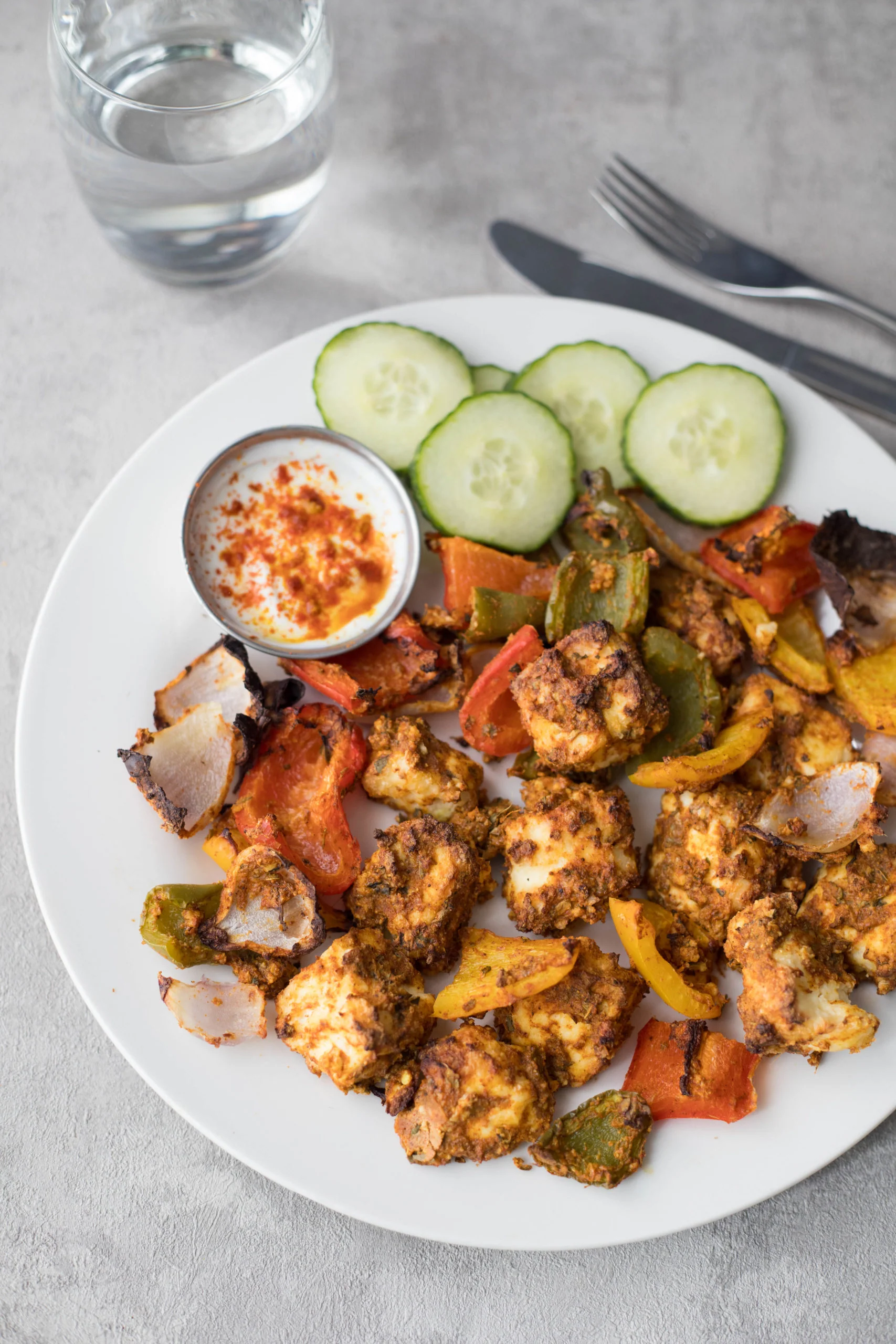
Another big benefit of ghar ka khana is controlling your meal size and being able to make it personal. You can very easily change the oil, spices, salt, and portion sizes depending on your workout goal—whether it is muscle gain or fat loss. This Indian gym diet’s flexibility is a great benefit in comparison to the rigid diet plans that are very hard to follow on a daily basis.
Dal, paneer, curd, milk, soy, and eggs, are some of the protein-rich foods in home-cooked Indian dishes. When combined well over a day, these foods can provide enough protein to gym beginners and intermediates lifters. Besides that, complex carbohydrates present in roti, brown rice, millets, and oats are the main fuels of high-intensity workouts and they are also helpful in the recovery process.
Ghar ka khana is great in terms of weight loss as it does not contain hidden sugars, preservatives, or unhealthy fats. Consuming clean and freshly prepared food helps to maintain a calorie deficit without the need to starve the body. Consequently, this will lower the cravings, improve metabolism, and keep energy levels stable throughout the day.
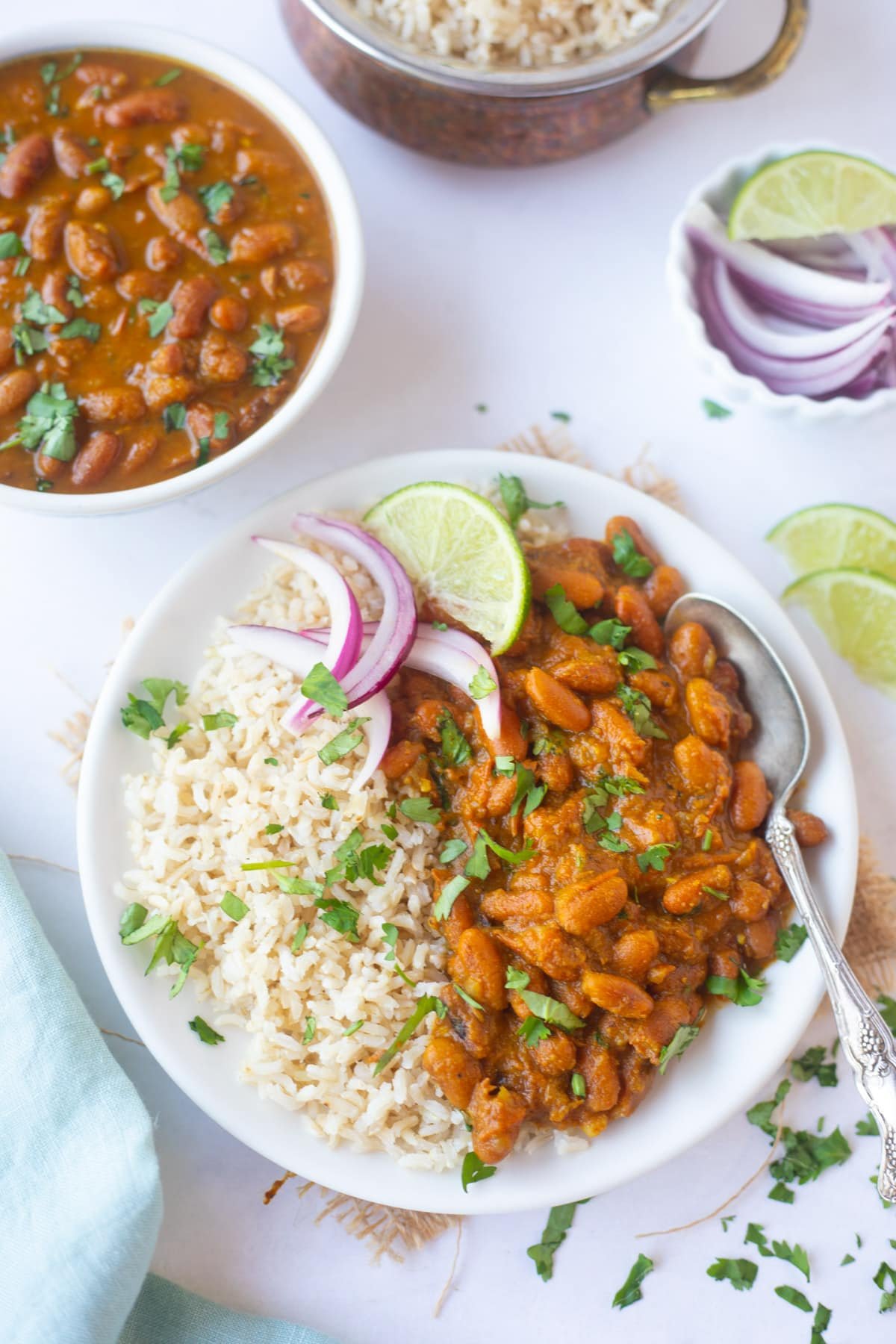
Finally, ghar ka khana is cheap, highly available and those which are of Indian origin, hence be easy to follow consistently. The most important factor in getting fitness results is consistency. You will most likely be committed and eventually see long-term progress in both muscle building and fat loss if your diet suits your lifestyle, taste preferences, and budget.
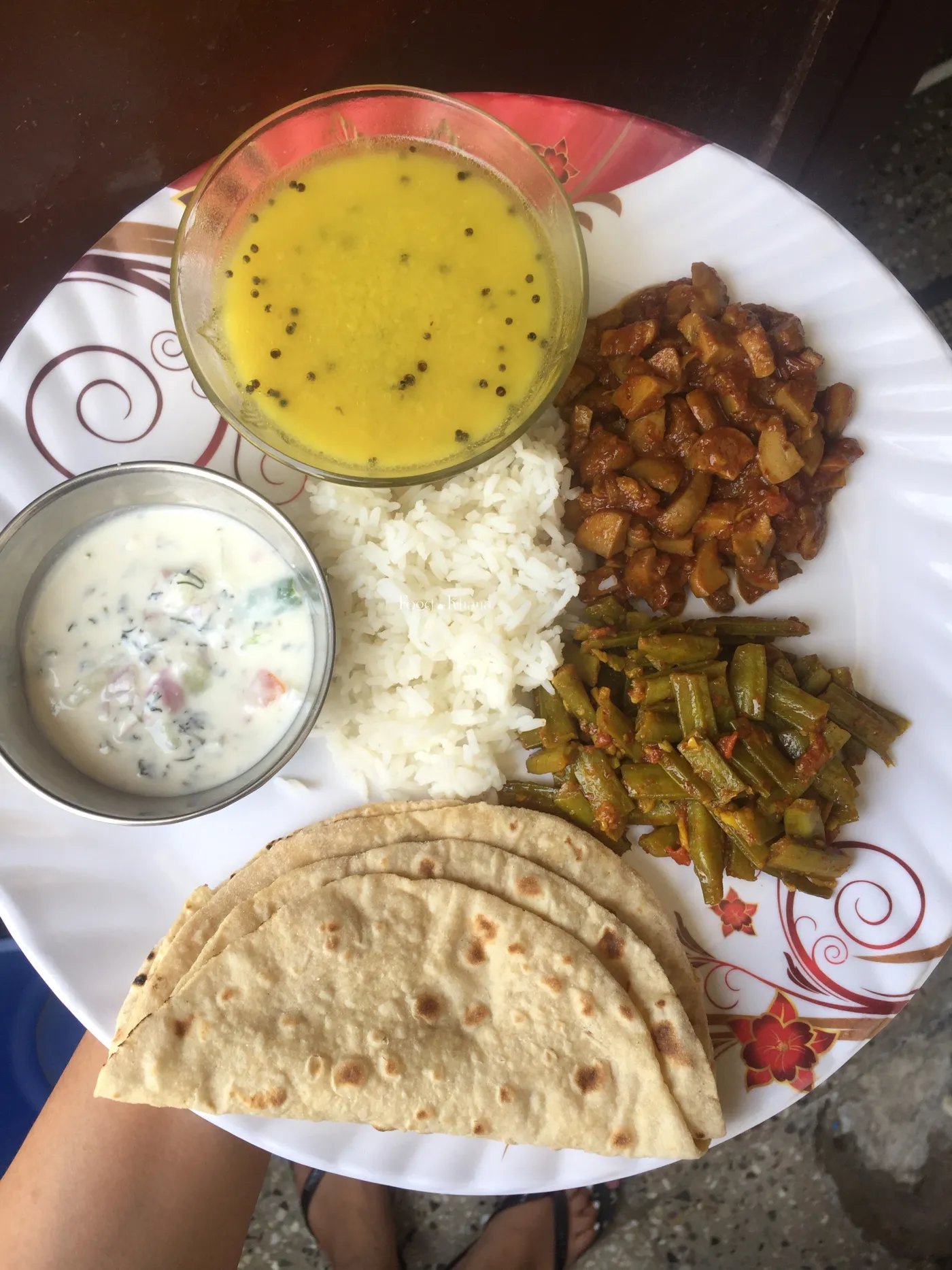
Indian Gym Diet for Muscle Building Using Home Food
It is possible to build muscle even on an Indian diet if one plans their daily home food (ghar ka khana) properly. Protein, complex carbohydrates, and healthy fats in the right amount not only aid muscle growth, strength, and recovery but also provide you with the nutrients you need without the use of supplements.
1. Focus on Protein at Every Meal
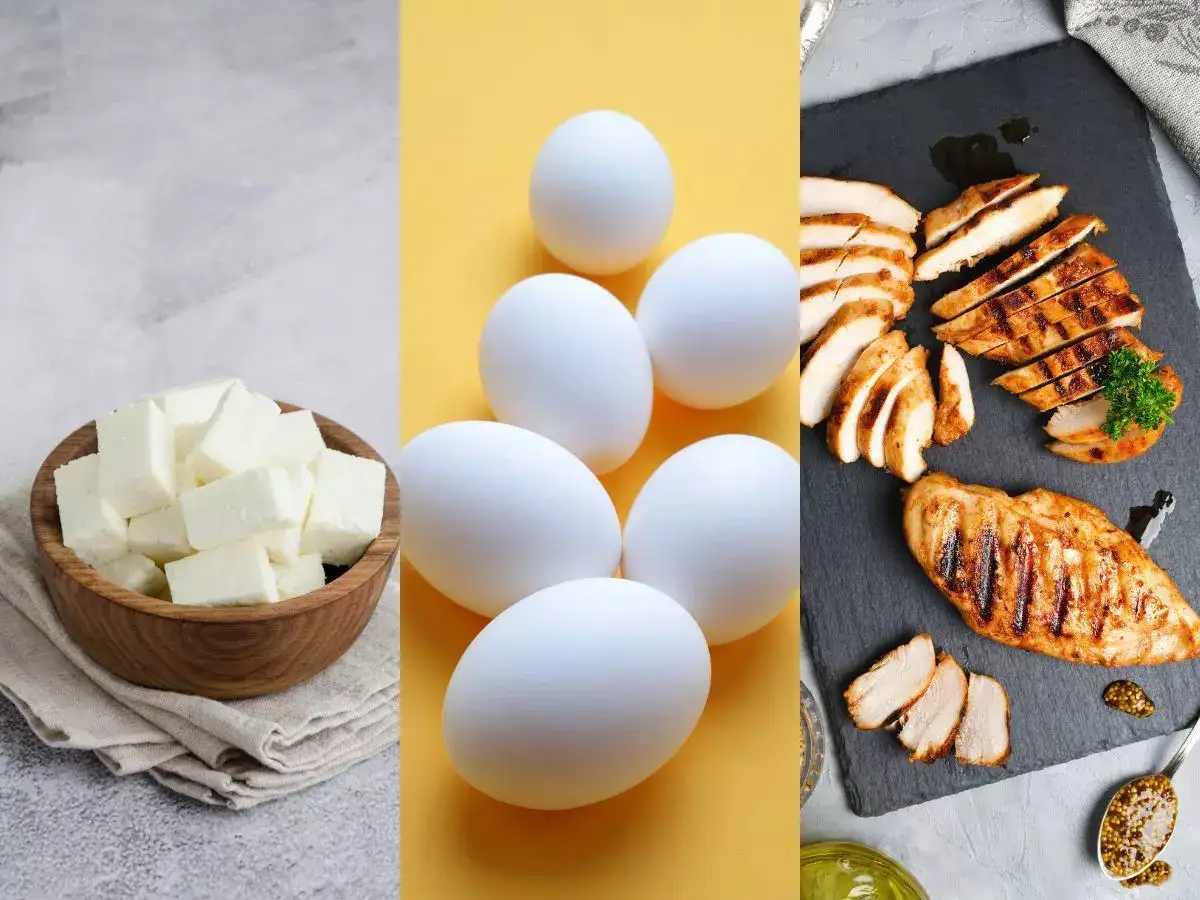
Protein forms the basis of muscle building. Every major meal must have Indian protein-rich foods such as dal, paneer, curd, milk, eggs, soybeans, tofu, and legumes. Protein intake should be scheduled at regular intervals throughout the day for muscle fiber repair and lean muscle growth.
2. Eat Complex Carbohydrates for Workout Energy
Complex carbohydrates are a good source of energy that lasts long, which is why they are a must for strength training. Some of the carbohydrate-containing foods which are capable of powering your exercises and stopping the muscles from getting broken include roti, brown rice, oats, millets, poha, and upma. Combining carbs with protein not only increases the performance of your workout but also the absorption of the nutrients.
3. Include Healthy Fats in Moderate Quantity
Healthy fats help produce hormones such as testosterone, which is linked to muscle growth. To keep up your total body strength and recovery, include nuts, seeds, a small amount of ghee, coconut, and mustard oil in your Indian gym diet.
4. Prioritize Pre-Workout Home Food
Training performance can be significantly boosted with a proper pre-workout meal. Some of the best Indian pre-workout meal ideas are banana with curd, roti with vegetable sabzi, oats with milk, or poha with peanuts. One can get energy from such foods and still not feel heavy during the workout.
5. Eat Protein-Rich Post-Workout Meals
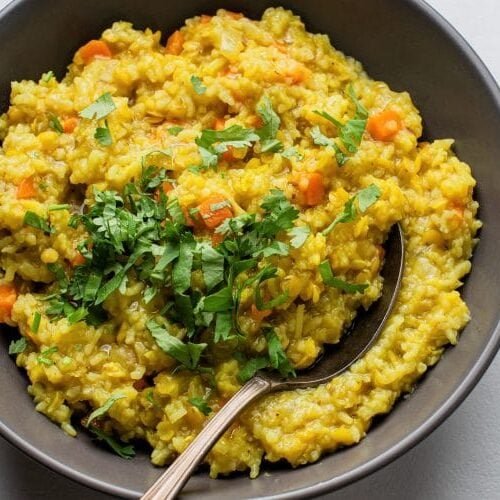
Post-workout nutrition supports muscle recovery and growth. Indian home-cooked meals such as paneer bhurji, dal-chawal, egg curry with roti, curd rice, or vegetable khichdi are a good source of protein and carbohydrates required for muscle repair.
6. Maintain Calorie Surplus with Clean Food
Building muscles is done by having a slight calorie surplus. Instead of consuming junk calories, increase the portions of clean food prepared at home. This method helps you to gain muscle and at the same time, you limit the unnecessary fat that you get.
7. Stay Hydrated with Natural Fluids
Water is very important for the proper functioning and repair of muscles. You need to drink a sufficient amount of water, buttermilk, coconut water, and lemon water during the day to keep away from tiredness and muscle cramps.
8. Follow Consistent Meal Timing
Eating meals at regular intervals helps maintain energy and muscle protein synthesis. Following a stable Indian gym diet plan consisting of 3 main meals and 2 to 3 snacks enhances digestion and workout performance.
9. Combine Strength Training with Proper Rest
You cannot build muscle simply by dieting. For best results, combine a proper diet, like one at home food gym, with your progressive strength training and sleep.
Muscles don’t just grow after workouts, they grow during recovery.
10. Avoid Overdependence on Supplements
Most beginner and intermediate gym-goers are able to build muscle by Indian home food only. Supplements can be taken only when there is a real protein deficiency in the diet.
Indian Gym Diet Plan for Fat Loss Using Ghar Ka Khana
Fat loss doesn’t have to go hand-in-hand with extreme dieting or meal skipping. A well-thought-out Indian gym diet based on ghar ka khana can burn fat and at the same time, save muscle, energy, and overall health. The secret lies in choosing the right foods and eating them in the right quantities.
1. Maintain a Calorie Deficit with Home Food
Fat loss occurs when you eat fewer calories than you use. You don’t have to starve yourself; just cut down on the servings of roti, rice, and oil, and at the same time, keep your meals balanced with protein and vegetables. Clean ghar ka khana will help you stay off calorie overload and at the same time not feeling weak.
2. Prioritize Protein to Protect Muscle
Proteins play a vital role in reducing muscle loss during the process of fat loss. Hence, it is absolutely necessary to incorporate dal, curd, paneer (low-fat), eggs, tofu, sprouts and legumes at every meal. Also, a high-protein Indian diet helps to keep hunger at bay for a longer time and also speeds up the metabolism.
3. Choose Complex Carbohydrates in Controlled Quantity
Carbs play a vital role even while shedding the extra weight. Choose wholegrain and minimally processed foods such as roti, brown rice, oats, millets, and poha instead of refined ones. Consuming carbohydrates at the beginning of the day enhances exercise capacity and decreases fat accumulation.
4. Load Your Plate with Vegetables
Vegetables are generally low in calories while they are rich in fiber. By adding sabzi, salads, lauki, tinda, bhindi, cabbage, spinach, and carrots to your meals, you can feel full and eat fewer calories. Additionally, fiber is known to facilitate digestion and enhance fat burning.
5. Eat Light and Balanced Pre-Workout Meals
A small easily digestible meal before a workout provides you with just the right amount of energy not getting in the way of your fat loss. One can have fruit and curd, oats and milk, or roti with light sabzi as a pre-workout meal. You should stay away from eating heavy or fried foods before a training session.
6. Focus on Protein-Rich Post-Workout Meals
After exercising, the food should focus on helping the muscles to recover and at the same time support fat loss. Some of the delicious and easy-to-make Indian meals that fit the criteria are Dal with Vegetable, Egg Whites with Roti, Paneer Bhurji (Low Oil), or Curd with Rice.
7. Limit Oil, Sugar, and Fried Foods
Fat loss will be slowed down even if you take healthy Indian food provided you cook it with a lot of oil or sugar. Use very little oil and if you want to maintain a calorie deficit, stay away from fried snacks, sweets, sugary drinks, and packaged foods.
8. Stay Hydrated to Boost Fat Burning
One of the benefits of drinking enough water is it enhances your metabolism and lessens unnecessary hunger. You may consume water, buttermilk, coconut water, and lemon water to keep yourself hydrated and aid weight loss the natural way.
9. Eat Smaller, Consistent Meals
Having food at regular intervals can be a great help in not eating too much and also in balancing the energy levels. Eating 3 main meals and taking 2 healthy snacks is the most convenient and effective routine for an Indian gym fat loss diet.
10. Be Consistent and Patient
Fat loss using ghar ka khana is slow, but the results are lasting. Keeping to clean eating, workouts, and sleep consistently will give you real results over time and will not come with any health problems or rebound weight gain.
High Protein Indian Foods for Gym (Veg & Non-Veg)
Protein is essential for muscle growth, fat reduction, and recovery. An Indian gym diet can fulfill the required daily protein intake through traditional vegetarian and non-vegetarian home foods without necessarily depending on supplements.
1. Paneer (Cottage Cheese)
Paneer is a top Indian protein source for those who frequently hit the gym. It holds a good amount of casein protein that is digested slowly. This type of protein is very good for muscle repair and growth.
2. Dal (Lentils)
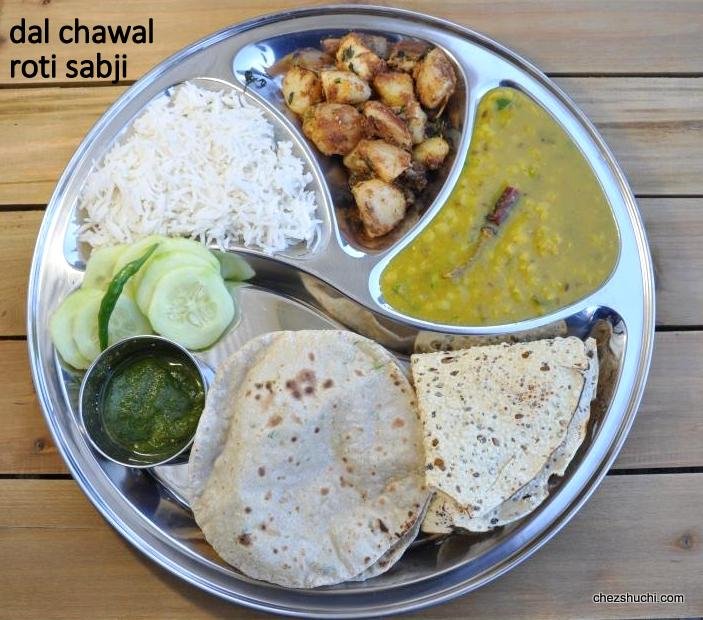
Different types of dal such as toor dal, moong dal, masoor dal, and chana dal are not only great sources of plant-based protein but also provide fiber. When dal is combined with roti or rice, it enhances protein quality and makes it easier to digest.
3. Curd (Dahi)
Curd contains a lot of protein and probiotics that support gut health and help the body absorb nutrients better. In fact, it is a perfect post-workout snack and can be easily included in a weight loss diet.
4. Soybeans & Tofu
In India, soybeans rank among the highest protein vegetarian foods. Tofu that is produced using soy is low in fat, and it is ideal for muscle-building diets.
5. Chickpeas (Chana) & Rajma
These beans are a great source of protein, fiber, and complex carbohydrates. They will keep you satisfied for a long time and help your muscles to recover when you have them in your lunch meals.
6. Milk
Milk contains protein and calcium, the two nutrients that aid in hardening of muscles and bones. You can have it either during breakfast or just before sleeping.
🍗 High Protein Non-Vegetarian Indian Foods for Gym
Non-Vegetarian are a great source of complete proteins and thus very efficient for muscle growth.
7. Eggs
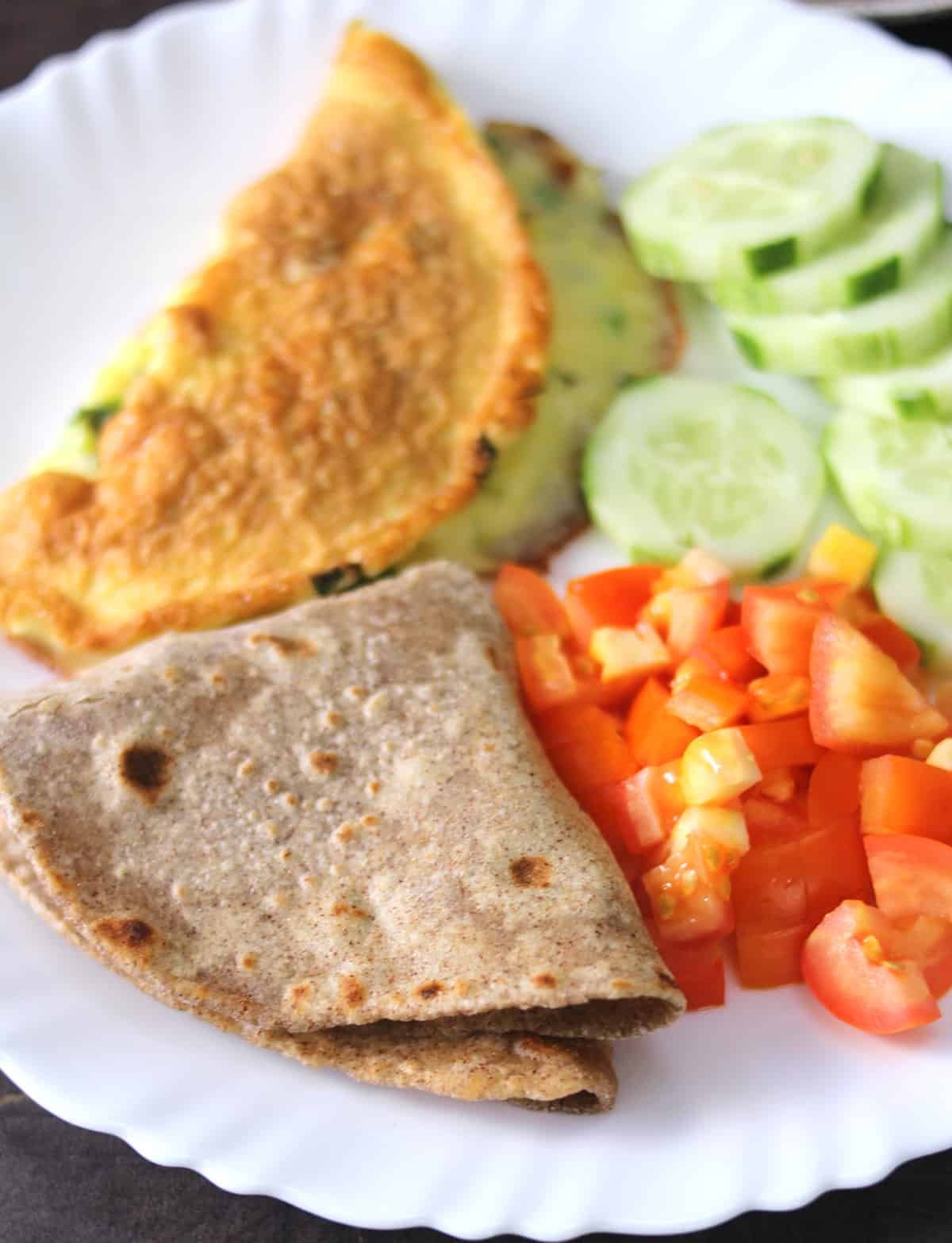
Eggs rank among the most budget-friendly and efficient protein sources. While egg whites have very few calories, whole eggs contain healthy fats and vitamins that are necessary for strength training.
8. Chicken Breast
Chicken breast is a muscle food that is very low in fat and high in protein. It helps to build muscles and lose fat. The best way to eat chicken breast is to grill, boil, or cook it with spices in a light way.
9. Fish
Fish such as rohu, katla, pomfret, and salmon are not only good sources of protein but also contain omega-3 fatty acids that help in muscle recovery and inflammation reduction.
10. Mutton (In Moderation)
Mutton is a great source of protein and iron, but because of its fatty nature, it is better to have it now and then. It can help build up your strength if you eat it in small amounts.
Tips to Increase Protein Intake Using Indian Food
- Make sure to add protein to each of your meals
- Try to mix dal with roti or rice to get a more balanced amino acid profile
- Go for boiled, grilled, or bubbled delicately foods
- Stay away from too much oil and frying to maintain a healthy level of calories
Pre-Workout Indian Meals Using Ghar Ka Khana
| Timing Before Workout | Meal Option | Benefits |
| 60–90 minutes | Roti + light sabzi | Provides sustained energy and easy digestion |
| 60 minutes | Oats with milk | Slow-release carbs and moderate protein for strength |
| 45–60 minutes | Poha with peanuts | Quick energy with healthy fats |
| 30–45 minutes | Banana with curd | Instant energy and light protein |
| 30 minutes | Fruit + handful of nuts | Natural sugars and steady energy |
| 60 minutes | Rice (small portion) + dal | Balanced carbs and protein for longer workouts |
Eat Your Pre-Workout Meal at the Right Time
The best time to have a pre-workout meal is 60-90 minutes before you start exercising. That way, your body will have enough time to digest the food, and you will be able to maintain your energy levels consistently whether you are doing strength training or cardio.
Oats with Milk
Oats prepared with milk contain a good amount of slow-digesting carbohydrates and protein thus, making them an excellent Indian pre-workout meal. They can keep the energy flowing during prolonged workout times at the gym.
Banana with Curd
Here is a fast and easy pre-workout choice that doesn’t weigh you down. Banana supplies immediate energy, and curd contributes protein and enhances digestion. In fact, it is perfect for gym sessions in the early morning.
Poha with Peanuts
Poha is a light and clean carbohydrate loading meal. If you add peanuts, the dish can still have a lot of healthy fats and protein and become a wholesome pre-workout Indian meal.
Rice with Dal (Small Portion)
A small serving of rice with dal provides a nice balance of carbs and protein. This meal is ideal for those who exercise in the evening and require sustained energy.
Roti with Light Sabzi
Vegetable sabzi (e.g., lauki, bhindi, or cabbage) paired with 1–2 rotis gives you complex carbohydrates and fiber. This food combination will provide you with long-lasting energy and will not cause bloating
Fruit with Nuts
Seasonal fruits paired with a small handful of almonds or peanuts contribute natural sugars and healthy fats. The choice promotes energy without feeling heavy.
Vegetable Upma or Idli
Both Upma and idli are light meals made mainly of carbohydrates and are easy to digest, which is why they are excellent pre-workout meals, particularly for the first gym session of the day.
Sweet Potato (Boiled)
Boiled sweet potato provides a significant amount of complex carbohydrates and dietary fiber. It is a good source of energy that is released slowly and hence perfect to support strength training sessions.
Notes:
-Please Avoid Heavy and Fried Foods.
-Always Stay Hydrated Before Training.
Post-Workout Indian Meals for Muscle Recovery
Post-workout nutrition plays a vital role in muscle repair, recovery, and growth. Once a training session is over, the body requires protein to regenerate muscle fibers and carbohydrates to replenish energy levels. Indian ghar ka khana offers straightforward, natural ways to recover without the need for supplements.
1. Eat Within 30–60 Minutes After Workout
The optimal time for eating a post-workout meal is 30 to 60 minutes after training. This makes it easier for the muscles to take up the nutrients and thus the recovery process is faster.
2. Dal with Rice or Roti
Dal is a great source of plant-based protein, whereas rice or roti are perfect for replenishing glycogen stores. Muscle repair and energy recovery are well supported by this typical Indian meal.
3. Paneer Bhurji (Low Oil)
Paneer contains a lot of casein protein, which is great for your muscles as it keeps them well-fueled even after a long time. It would be a perfect combo for shed-weight-bulk-up plan if you cook it using very little oil.
4. Egg Whites with Roti or Rice
Egg whites are a good source of protein of high quality and contain very little fat. Combining them with roti or rice is good to replenish your energy after a hard workout.
5. Curd with Rice or Fruits
Curd enhances digestion and provides protein and probiotics. You can consider it as a light and quick post-workout meal, especially if your workout is in the evening.
6. Chicken with Roti or Rice
Chicken that is either grilled or boiled is a great source of lean protein that will help in muscle repair. Combine it with simple carbs to maximize the uptake of nutrients.
7. Vegetable Khichdi
Khichdi is easy to digest and has a good balance of protein and carbs. It’s great for people who don’t want to eat much after working out.
8. Include Vegetables for Micronutrients
Adding vegetables like spinach, carrots, beans, and capsicum can help lower inflammation and speed up the recovery of muscles.
9. Rehydrate After Training
After working out, drink coconut water, buttermilk, or water to replace the fluids and electrolytes you lost.
10. Avoid Junk and Fried Foods
Meals after working out should be light and clean. Stay away from fried foods, sugary drinks, and packaged snacks because they make recovery take longer and add empty calories.
Indian Gym Diet Chart for Muscle Gain and Weight Loss
Following a simple Indian gym diet chart with ghar ka khana can help you gain muscle and lose fat at the same time.
Indian Gym Diet Chart Using Ghar Ka Khana (Muscle Gain & Fat Loss)
| Time | Meal | Food Options (Home Food) |
|---|---|---|
| Early Morning | Hydration | Warm water or lemon water + 4–5 soaked almonds |
| Breakfast | Energy Meal | Oats with milk or vegetable poha + 1 fruit |
| Mid-Morning | Light Snack | Fruit or curd |
| Lunch | Balanced Meal | 2 rotis or small portion of rice + dal/paneer/chicken + sabzi & salad |
| Pre-Workout | Energy Boost | Banana with curd or roti with light sabzi |
| Post-Workout | Recovery Meal | Eggs/paneer/dal + small portion of rice or roti |
| Dinner | Light Protein Meal | Sabzi + curd/paneer/eggs |
| Before Bed (Optional) | Recovery Support | Warm milk |
Daily Indian Gym Diet Plan for Beginners
🗓️ Daily Diet Plan (Beginner Level)
| Time | Meal | Indian Home Food Options |
| Early Morning | Hydration | Warm water or lemon water |
| Breakfast | Energy Meal | Vegetable poha / oats with milk + 1 fruit |
| Mid-Morning | Light Snack | Fruit or curd |
| Lunch | Balanced Meal | 2 rotis or small rice portion + dal / paneer / eggs + sabzi |
| Evening Snack | Light Fuel | Roasted chana / peanuts or fruit |
| Pre-Workout | Energy Boost | Banana with curd or roti with light sabzi |
| Post-Workout | Recovery Meal | Eggs / paneer / dal + small rice or roti |
| Dinner | Light Protein Meal | Sabzi + curd / paneer / eggs |
| Before Bed (Optional) | Recovery | Warm milk |
Best Indian Home Foods to Increase Protein Intake
For Vegetarian
| Food Item | Approx. Protein (per serving) | Best Time to Eat |
| Paneer | 18–20 g (100 g) | Lunch / Post-workout |
| Dal (Lentils) | 8–10 g (1 bowl) | Lunch / Dinner |
| Curd (Dahi) | 7–9 g (1 bowl) | Breakfast / Post-workout |
| Soybeans | 15–17 g (½ cup cooked) | Lunch |
| Tofu | 10–12 g (100 g) | Lunch / Dinner |
| Chickpeas (Chana) | 7–9 g (1 bowl) | Snacks / Lunch |
| Rajma | 7–9 g (1 bowl) | Lunch |
| Milk | 6–8 g (1 glass) | Morning / Before bed |
| Nuts & Seeds | 5–7 g (small handful) | Snacks |
For non-vegetarian
| Food Item | Approx. Protein (per serving) | Best Time to Eat |
| Egg Whites | 10–12 g (3 egg whites) | Post-workout / Breakfast |
| Whole Eggs | 12–13 g (2 eggs) | Breakfast / Post-workout |
| Chicken Breast | 26–30 g (100 g cooked) | Lunch / Post-workout |
| Fish (Rohu/Katla) | 20–22 g (100 g cooked) | Lunch / Dinner |
| Fish (Salmon) | 22–25 g (100 g cooked) | Lunch / Dinner |
| Mutton (Lean) | 22–25 g (100 g cooked) | Lunch (Occasional) |
| Chicken Curry (Low Oil) | 20–22 g (1 bowl) | Lunch / Dinner |
| Egg Curry | 15–18 g (2 eggs) | Lunch / Dinner |
Do You Need Supplements with Indian Home Food Diet?
Most beginners and intermediate gym-goers don’t need to take supplements if they eat a balanced Indian home-cooked meal (ghar ka khana). Indian food already has enough protein, carbs, healthy fats, and micronutrients to help you build muscle and lose fat.
You can get most of the nutrients you need naturally if you eat dal, paneer, curd, milk, eggs, chicken, roti, rice, vegetables, and fruits every day. It’s more important to stick to a healthy diet, control your portions, and work out regularly than it is to take supplements.
Supplements like whey protein are only useful when you can’t get enough protein from food because you’re too busy or training harder. They should help you stick to your diet, not take the place of real food.
Indian Gym Diet Without Supplements
Eating the right ghar ka khana on a regular basis can help you build muscle and lose fat without taking any supplements.
✔ Simple Points (Good for Beginners)
You can get protein from dal, paneer, curd, milk, eggs, and chicken.
Carbs like rice, oats, roti, and poha give you energy for working out.
Eating vegetables helps you lose weight and digest food better.
Food made at home is safer, cheaper, and better for the environment.
Consistency is more important than protein powders.
Supplements are not required; they are optional.
| 🥗 Simple Indian Gym Diet (No Supplements) | |
|
Meal Time
|
What to Eat (Home Food) |
| Breakfast | Oats / poha + milk or curd |
| Lunch | Roti or rice + dal / paneer / chicken + sabzi |
| Snack | Fruit / roasted chana / curd |
| Pre-Workout | Banana or roti with light sabzi |
| Post-Workout | Eggs / dal / paneer + small rice or roti |
| Dinner | Light sabzi + curd / paneer / eggs |
Affordable Indian Diet Plan for Gym Beginners
| Meal Time | Affordable Home Food Options | Why It Works |
| Early Morning | Warm water / lemon water | Improves digestion and hydration |
| Breakfast | Poha / oats / vegetable upma | Low-cost energy for workouts |
| Mid-Morning | Seasonal fruit | Natural vitamins, easy on pocket |
| Lunch | Roti or rice + dal + sabzi | Balanced, protein-rich, affordable |
| Evening Snack | Roasted chana / peanuts | Cheap protein and healthy fats |
| Pre-Workout | Banana | Quick energy at low cost |
| Post-Workout | Eggs / dal / curd | Affordable protein for recovery |
| Dinner | Sabzi + roti + curd | Light, nutritious, budget-friendly |
| Before Bed (Optional) | Milk | Supports muscle recovery |
Budget Tips for Beginners
Buy fruits and vegetables that are in season.
Use curd, dal, eggs, and peanuts as your main sources of protein.
Stay away from junk food and expensive supplements.
To save time and money, cook in large batches.
Veg Indian Gym Diet Plan Using Home Food
When meals are balanced, a vegetarian Indian gym diet that includes ghar ka khana can help you gain muscle and lose fat.
Protein comes from soy, chana, dal, paneer, curd, and milk.
Roti, rice, oats, and poha give you energy.
Vegetables that help with digestion and losing weight.

Non-Veg Indian Gym Diet Plan for Muscle Gain
Using ghar ka khana as part of a non-veg Indian gym diet helps build muscle faster because it has all the protein it needs.
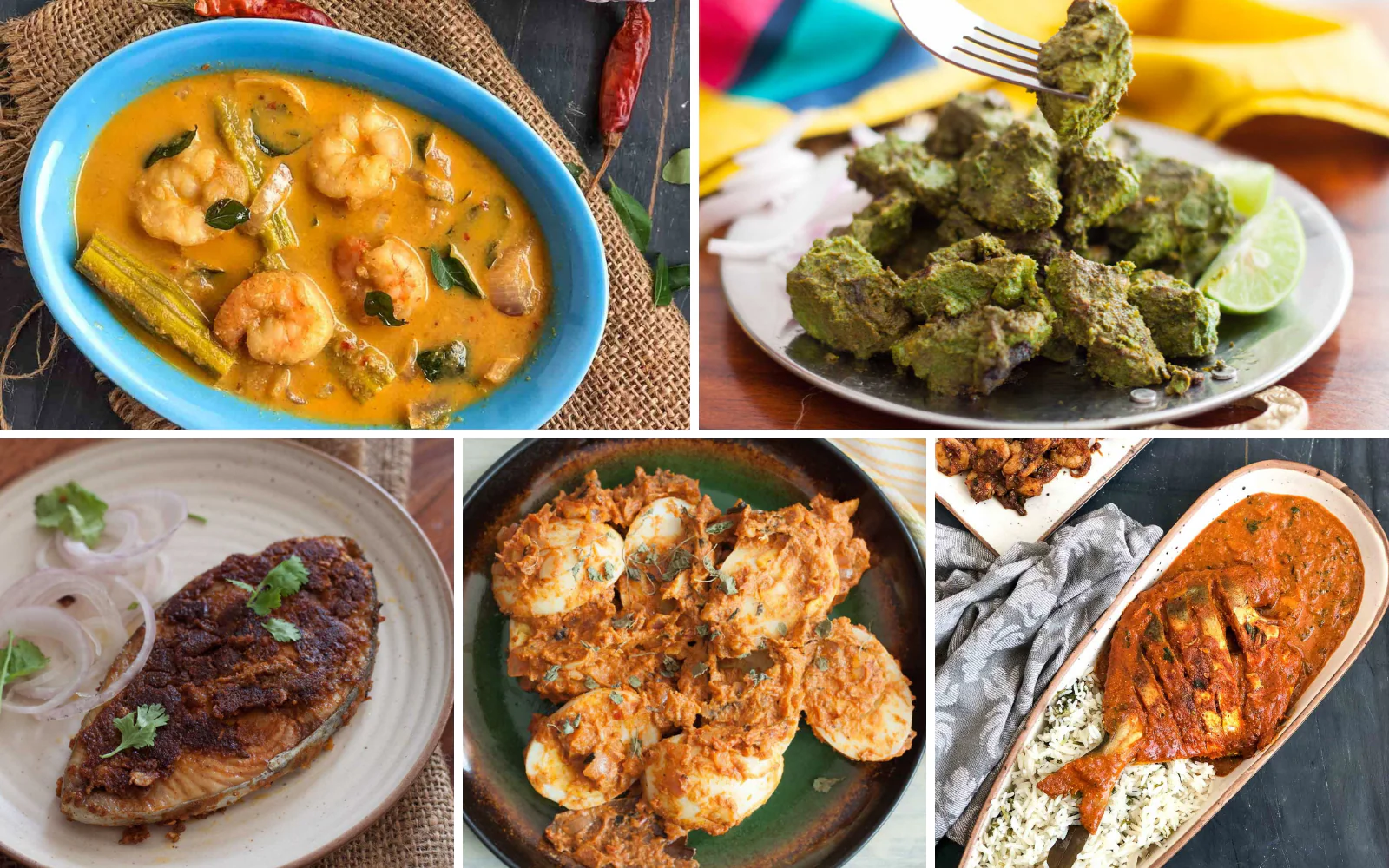
Eggs, chicken, fish, and curd are all good sources of protein.
Roti, rice, oats, and poha give you energy.
Meals after working out are mostly eggs or chicken.
Cooking at home helps you keep track of your calories and stay healthy.
Indian Gym Diet for Weight Loss Without Starving
You don’t have to skip meals or stay hungry to lose weight. Using ghar ka khana as part of a smart Indian gym diet helps you lose weight while keeping your energy up.
Eat protein at every meal, like dal, curd, paneer, and eggs.
Don’t get rid of all the roti and rice; just control how much you eat.
Put salad and vegetables on half of your plate.
Pick food that you make at home and stay away from fried and sugary foods.
To keep from getting hungry, eat small meals often.
Drink water, buttermilk, or lemon water to stay hydrated.
This method helps you lose fat steadily without feeling weak or hungry, and it’s easy to stick with over time.
Best Indian Foods to Eat Before and After Gym
| Meal Timing | Indian Food Options | Benefits |
| Before Gym (60–90 min) | Roti + light sabzi | Long-lasting energy |
| Before Gym (45–60 min) | Oats with milk | Slow-release carbs + protein |
| Before Gym (30–45 min) | Banana with curd | Quick energy, easy digestion |
| Before Gym (30 min) | Fruit + few nuts | Natural sugars, steady energy |
| After Gym (0–60 min) | Eggs / paneer bhurji (low oil) | Muscle recovery |
| After Gym | Dal + rice / roti | Protein + carb refill |
| After Gym | Chicken / fish + rice or roti | Lean protein for muscle gain |
| After Gym | Curd with rice or fruit | Light recovery meal |
Indian Gym Diet Plan for Men and Women
| Meal Time | Men – Home Food Options | Women – Home Food Options |
| Early Morning | Warm water + soaked almonds | Warm water + soaked almonds |
| Breakfast | Oats / poha + milk or eggs | Oats / poha + milk or curd |
| Mid-Morning | Fruit or curd | Fruit or curd |
| Lunch | 2 rotis or rice + dal/chicken + sabzi | 1–2 rotis or rice + dal/paneer + sabzi |
| Evening Snack | Roasted chana / peanuts | Roasted chana / nuts |
| Pre-Workout | Banana or roti + light sabzi | Banana or fruit + curd |
| Post-Workout | Eggs / chicken / paneer + rice/roti | Paneer / eggs / dal + rice/roti |
| Dinner | Sabzi + roti + curd | Sabzi + roti + curd |
| Before Bed (Optional) | Milk | Milk |
FAQ
Can You Build Muscle with Only Ghar Ka Khana?
Yes, you can get stronger by eating ghar ka khana and doing strength training on a regular basis. Just make sure you’re getting enough protein, balanced carbohydrates, and healthy fats. Supplements don’t matter as much as sticking to a healthy diet, working out, and getting enough sleep.
How Much Protein Do Indians Need for Gym?
Most Indians who work out need between 1.2 and 2 grams of protein per kilogram of body weight per day, depending on how hard they work out and what their goals are. You can meet this need with ghar ka khana like dal, paneer, curd, eggs, milk, and chicken.
Is Roti Better Than Rice for Gym Diet?
Roti and rice are both good foods to eat before working out. Roti takes longer to digest and gives you steady energy, while rice digests faster and is great after a workout. Choose based on how long you train and what you want to achieve.
What Is the Best Indian Diet After Workout?
After a workout, the best Indian diet includes foods high in protein and carbs, like dal with rice, eggs with roti, paneer bhurji, or chicken with rice. These foods help your muscles recover and give you energy.
How Long Does It Take to See Results with Indian Gym Diet?
Most people start to see results in 4 to 6 weeks with a consistent Indian gym diet that includes ghar ka khana and regular workouts. Stronger muscle and fat loss changes show up in 8 to 12 weeks.
A desi gym diet is based on simple ghar ka khana like dal, roti, rice, paneer, eggs, vegetables, and fruits. These foods help you build muscle and lose fat naturally. It works, is cheap, and is good for the environment when you stick to it with workouts.
For gym use, a traditional Indian diet includes ghar ka khana like roti, rice, dal, curd, paneer, eggs, vegetables, and fruits. These foods give you natural energy, protein, and help you recover. It’s easy, cheap, and works well when you train regularly.
A ghar ka khana diet for a home food gym includes dal, roti, rice, paneer, curd, eggs, vegetables, and fruits to give you energy for your workouts and help your muscles heal. It is clean, cheap, and works when you do it all the time.
A home food gym diet is based on ghar ka khana, which includes dal, roti, rice, paneer, curd, eggs, vegetables, and fruits. These foods help build muscle and lose fat in a natural way. For daily fitness, it’s easy, cheap, and long-lasting.
|
Written by [Moizza], Fitness Expert at Gym Glam. |