Ashwagandha (Withania Somnifera) for Anxiety, Testosterone & Sleep: What Americans Should Know
An ancient root, ‘Ashwagandha ((Withania Somnifera),’ in Ayurvedic medicine, has lately grabbed a lot of attention from the people of America for its good health side effects especially when it comes to anxiety, testosterone levels, and sleep quality. Also known as Withania somnifera, this adaptogenic herb is getting happier for its unique property to help the body to deal with the stress and, at the same time, provide it with the feeling of calmness, so, this preference has not stopped being the common one for the folks against anxiety. What’s more, the results of the more recent studies claim that ashwagandha might facilitate the production of testosterone, which was probably expected to increase vigor and endurance to a certain extent mostly in men. Besides, This powerful herb is known for significantly improving sleep quality for improving sleep in people who deal with sleep irregularities but also the friendly has no side effect. With the United States increasingly becoming concerned about holistic wellness, the wisdom of ashwagandha can allow Americans to engage in rational decision-making regarding integrating this herb into their daily health routines.
|
Medical Disclaimer: |
What Is Ashwagandha?
Ashwagandha is an herb that is used in Ayurvedic medicine and is well-known for its adaptogenic properties because it aids in dealing with stress. It is mostly used to help anxiety, level off testosterone, and improve the overall quality of sleep.
Read about Best Creatine Supplement in USA: Gummies vs Powder (2026 Guide) to get detail knowledge on Creatine
Ashwagandha Pure Root Called KSM-66
in KSM-66 Only plant parts were used, thus they contain the full range of active compounds (withanolides) for maximum efficacy.
Keeping up with a fitness regimen during a hectic work schedule in the USA can be very tough. Rather than locking yourself into pricey monthly gym subscriptions, setting up a gym at home is an affordable and time-efficient option. To discover the steps involved in creating your ideal workout area, refer to our detailed starter guide to home gyms. Read Blog on How to Build an Effective Home Gym for Under $100 in USA
Here are some Best Ashwagandha Suppliment Given Below:
1. Pure Encapsulations Ashwagandha – 500 mg


it is Registered with NSF/ANSI 455-2 Good Manufacturing Practices for dietary supplements, which is a recognized quality standard for manufacturing safety and processes.
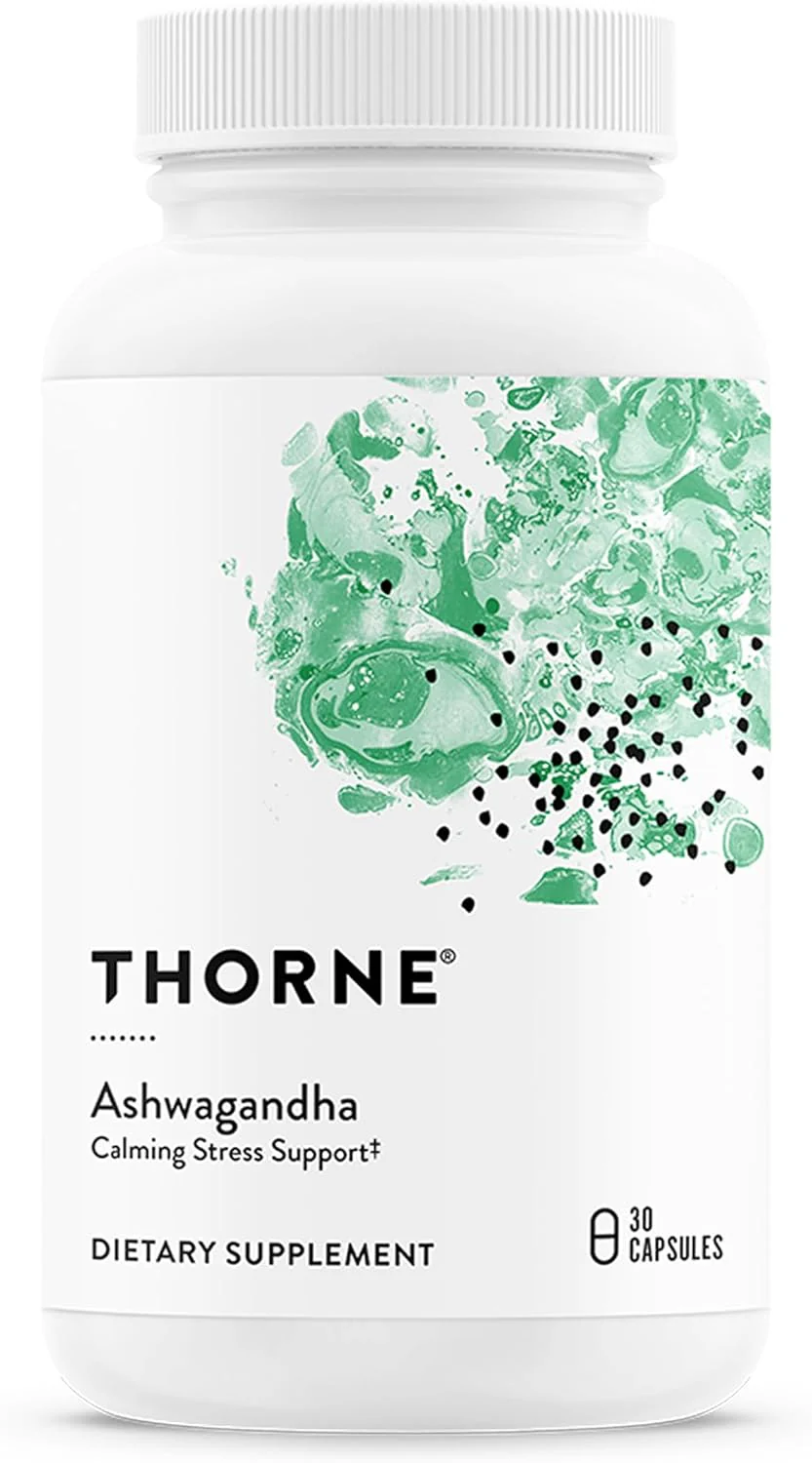
2. THORNE Ashwagandha Highly Concentrated Supplement for Men&Women
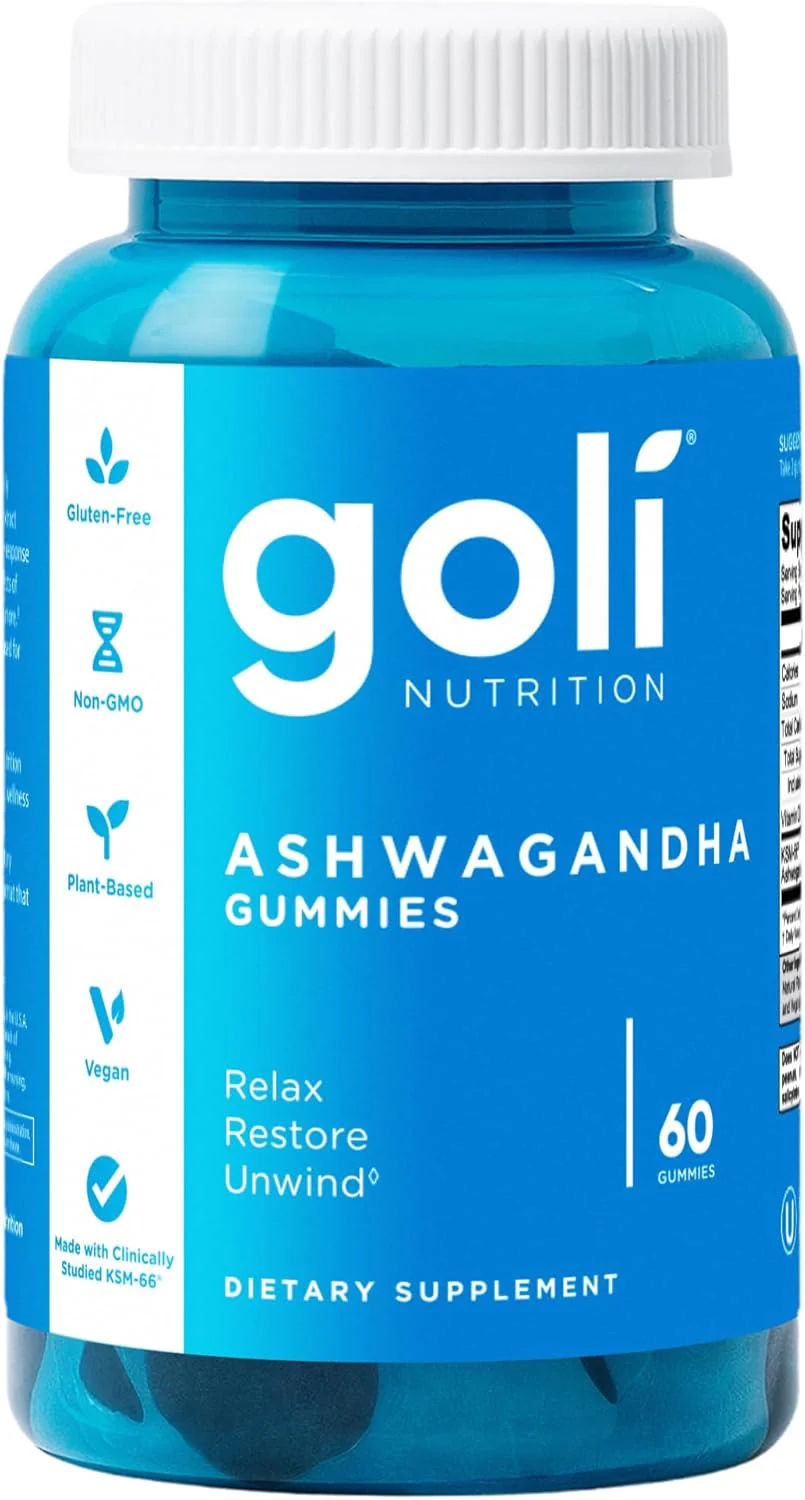
3. Goli Ashwagandha Gummies with KSM-66 and Vitamin D – Premium Root Extract – Vegan, Non-GMO – Mixed
How Ashwagandha Helps Manage Anxiety and Stress
| Benefit | How It Helps the Body |
| Lowers cortisol levels | Reduces the body’s primary stress hormone |
| Calms the nervous system | Supports GABA activity for relaxation |
| Improves stress resilience | Helps the body adapt to daily stressors |
| Reduces anxiety symptoms | Promotes a balanced mood response |
| Supports mental clarity | Reduces stress-related brain fog |
How Ashwagandha Works as an Adaptogen
- Ashwagandha is a wellness root that allows the body to defy various pressure by adjusting stress hormones like cortisol.
- It supports the body’s natural state of homeostasis (balance), body stability that leads to increased resilience to stress.
- Preservation of the immune function is a significant factor in the body’s stress-response system.
- It increases the level of vitality and thus, the exhaustion-troubled by stress is reduced.
- It is beneficial to the adrenal glands for they play an important part in the body’s struggle with stress.
Scientific Evidence on Ashwagandha for Stress Reduction
Numerous scientific studies have discovered how ashwagandha can help in easing stress. The studies that were carried out showed that ashwagandha serves as an adaptogen and in this way it helps to regulate cortisol-the main stress hormone. Two clinical trials were conducted and the participants who took ashwagandha experienced a significant reduction in their stress and anxiety level in comparison to the placebo group. Furthermore, such studies have made a comparison noting overall better-being and therapy of stress-related disorders. Ashwagandha is increasingly getting credit as a natural stress management solution as the pool of evidence supporting it grows.
Can Ashwagandha Improve Sleep Quality?
| Sleep Issue | How Ashwagandha Helps |
| Trouble falling asleep | Promotes relaxation by calming the nervous system |
| Poor sleep quality | Supports deeper, more restful sleep cycles |
| Nighttime stress | Helps lower cortisol levels before bedtime |
| Stress-related insomnia | Encourages a balanced sleep–wake rhythm |
| Frequent nighttime waking | Supports overall sleep continuity |
Best Time to Take Ashwagandha for Sleep Support
To get Ashwagandha’s maximum sleep support benefits it is usually best to take it 30 to 60 minutes before bedtime. Ashwagandha at this time of consumption can be a very effective relaxant and nice sleep promoter, the reason for this is the plant’s adaptogenic properties that work for stress reduction and calming the nervous system. Adherence is the first step to the best outcomes, so it makes sense to consider ashwagandha as a night-time practice that will deliver great benefits of sleep. However, it is always recommended that one should consult with a healthcare professional before adding any supplement to one’s regimen.
Testosterone & Men’s Health With Ashwagandha
| Health Area | Potential Benefit |
| Testosterone levels | Supports healthy, natural testosterone production |
| Muscle strength | May improve strength and workout recovery |
| Energy levels | Helps reduce stress-related fatigue |
| Male fertility | Supports sperm quality and count |
| Overall vitality | Promotes physical and mental performance |
Benefits of Ashwagandha for Male Hormonal Health
- Helps maintain normal testosterone levels by reducing the impact of stress on the body, which is one of the major causes of hormonal imbalances.
- Works to lower the level of cortisol, a hormone produced under stress that, if overproduced for a long time, can block testosterone synthesis.
- Enhances energy and endurance levels, which can be immediately reflected in everyday activities and men’s overall health at a mature age.
- Aids in muscle repair and increasing strength, especially when paired with an exercise regimen and good diet.
- According to the latest studies, might positively affect male fertility by improving sperm quality and quantity.
- Helps balance hormones during the later years, which is why it has become most favored among men in the US who are 30 years and older.
Ashwagandha Dosage & Safety Table
| Purpose | Age Group | Typical Daily Dosage | Best Time to Take |
| Anxiety & stress relief | 18–30 years | 300–500 mg | Morning or evening |
| Anxiety & stress relief | 30–50 years | 400–600 mg | Morning or evening |
| Sleep support | 18+ years | 300–500 mg | 30–60 minutes before bed |
| Testosterone & men’s health | 30–55 years | Up to 600 mg | Morning |
| General wellness | 18+ years | 250–500 mg | Any time |
How Long Does Ashwagandha Take to Work?
- Some individuals can feel the stress-relieving effects after 1–2 weeks of regular use.
- People usually say that their sleep gets better between weeks 2 and 4.
- The effects on energy, mood, and concentration tend to come slowly over a period of 3–6 weeks.
- Testosterone and hormonal balance support generally requires 6–8 weeks.
- The outcome differs depending on the dose, supplement quality, and the individual’s health.
Safety & Regulations For Ashwagandha
| Safety Aspect | What Americans Should Know |
| FDA regulation | Ashwagandha is sold as a dietary supplement and is not FDA-approved as a medication |
| Common side effects | Mild digestive upset, nausea, or drowsiness in some users |
| Drug interactions | May interact with sedatives, thyroid medications, or blood pressure drugs |
| Pregnancy & breastfeeding | Not recommended unless advised by a healthcare professional |
| Long-term use | Generally considered safe for adults when used as directed |
Is Ashwagandha Safe? Side Effects and Warnings
It’s very likely that ashwagandha will be safe for most healthy adults in the United States if they only take it in recommended amounts. However, there are some people who might have mild side effects like stomach upset, nausea, or feeling sleepy, particularly when they start taking the supplement. Ashwagandha can be incompatible with some drugs, for example, sedatives, thyroid drugs, or blood pressure medicines, so you should always get a green light from your doctor before using it. Also, pregnant or breastfeeding women as well as people with some health issues should not take ashwagandha unless they get a doctor’s advice.
Who Should Avoid Taking Ashwagandha?
- Pregnant or breastfeeding women are not advised.
- Those with thyroid problems.
- People who are on sedatives or anxiety drugs.
- Those who are on blood pressure or diabetes medication.
- People with immune system disorders.
- Surgery is planned on a person’s
FDA Supplement Regulations in the United States
Ashwagandha is regulated as a dietary supplement in the United States, not as a prescription drug. Supplements therefore that the FDA does not evaluate for effectiveness before they are marketed, but it does require manufacturers to adhere to Good Manufacturing Practices (GMP) for quality and safety. Supplement brands must ensure that their products are accurately labeled and do not contain harmful contaminants. Consumers should opt for products from reputable companies and seek advice from a healthcare professional prior to use, particularly in case of health-related concerns.
How to Choose a High-Quality Ashwagandha Supplement in the USA
| Quality Factor | What to Look For |
| Standardized extract | Look for products with clearly listed withanolide content |
| Third-party testing | Choose supplements tested by independent labs |
| GMP certification | Ensure the brand follows FDA-approved Good Manufacturing Practices |
| Ingredient transparency | Avoid products with hidden blends or unnecessary fillers |
| Clear labeling | Dosage, serving size, and warnings should be easy to find |
| Brand reputation | Prefer well-reviewed and established U.S. supplement brands |
Who Should Avoid Taking Ashwagandha?
- Pregnant or breastfeeding women
- People with autoimmune diseases (such as lupus, rheumatoid arthritis)
- Persons with thyroid disorders, particularly hyperthyroidism
- Individuals on sedatives, antidepressants, or anti-anxiety medications
- Those who have low blood pressure or are taking blood pressure medication
- Persons with hormone-sensitive conditions
- People with liver disease or a history of liver problems
- Anyone planning for surgery (discontinue at least 2 weeks before)
- People who get stomach upset or allergic reactions
Tip: If you have a medical condition or take prescription medicines, always speak with a healthcare professional before taking ashwagandha.
FAQs
Q1. Is ashwagandha safe for daily use?
Most people for the most part can use ashwagandha safely on a daily basis if they adhere to the recommended doses. However, if you are on medication, it is always better to consult with your doctor before using this herb over a long period of time.
Q2. Can ashwagandha help with anxiety?
One way in which ashwagandha may be of benefit to people with anxiety is by combating the stress hormone cortisol which relaxes the person. However, it depends on each individual’s reaction.
Q3. Does ashwagandha really improve sleep?
A good number of individuals find sleeping to be easier after using ashwagandha. It is very effective in our current society where fear and anxiety have quite a big disturbing impact on sleep. Thus, it makes the person feel calm and therefore ready to sleep.
Q4. How long does it take for ashwagandha to show results?
For example, you may notice that you feel less stressed within a week or two. On the other hand, getting better sleep or hormonal balance usually requires a period of 4-8 weeks of regular usage.
Q5. Can men take ashwagandha to boost testosterone?
Ashwagandha is a natural way of supporting testosterone levels and male vitality especially if the man is under a lot of stress that could be affecting his hormonal balance.
Q6. What is the best time to take ashwagandha?
If you want energy or stress relief, taking it in the morning is what most people do. If you are taking it as a sleep aid, then take it 30 to 60 minutes before going to bed.
Q7. Are there any side effects of ashwagandha?
Some of the side effects you might experience if you take too much are slight stomach pains, nausea, or sleepiness. When people adhere to the instructions, severe side effects are rare.
Q8. Who should not take ashwagandha?
Women who are pregnant or nursing, individuals who suffer from thyroid or autoimmune diseases, and those who take sedatives or blood pressure drugs should see their doctors before starting the use of ashwagandha.
Q9. Is ashwagandha approved by the FDA?
In the United States, ashwagandha is marketed as a dietary supplement and not as an FDA-approved drug. The FDA ensures that supplements meet safety requirements and labeling standards.
Q10. How do I choose a good ashwagandha supplement?
Choose brands which disclose their ingredients clearly and are from the United States. Also, check if the product has standardized extracts, third-party testing, GMP certification, and clear ingredient labeling for chemicals.
|
Written by [Moizza], |