Getting good quality used gym equipment for resale involves much more than simply locating low prices. The condition, durability, brand reliability, and safety of the equipment are some of the factors that determine its resale value and long-term profitability. As the demand for affordable fitness solutions keeps increasing, the used gym equipment market has become very competitive, so making smart sourcing decisions is more crucial than ever.
Are you a fitness business owner, gym equipment reseller, or just someone who wants to get into the resale business? If you know the right way to evaluate used gym equipment, you can save yourself from making very expensive mistakes. A well thought out plan helps you choose the right sourcing channels and find the equipment that is still very good in performance and characteristics. In the end, you will only invest in those products that customers trust and are willing to buy.
Here is a detailed guide explaining how to find, check, and choose used gym equipment for resale, how to assess the potential of equipment for resale, and how to reduce the risks. Implementing these practical steps will allow you to create a trustworthy inventory that is a great mix of quality, safety, and profits, thus being in line with the demands of today’s fitness consumers.
Understanding the Used Gym Equipment Resale Market
The resale market of second hand gym equipment significantly contributes to making fitness more reachable and less costly for a diverse range of buyers. Instead of spending a lot on new machines, several individuals and businesses opt for pre-owned equipment that can give them almost similar performance but at a much less price. Getting to know the functioning of this market enables buyers to choose wisely and gives resellers the opportunity to be transparent and operate sustainably.
The upward trend of the market is largely driven by the rising popularity of working out at home and the emergence of small fitness studios. Typically, home gym owners buy good quality, used equipment to create a functional gym without spending a lot. Meanwhile, newly-equipped commercial gyms tend to sell off their old, still good quality equipment thus, the sale market of used equipment is regularly replenished with good quality machines.
Various groups of buyers contribute to the demand for resale market products. These are fitness enthusiasts looking for home gym, personal trainers, startup gyms, rehab centers, and corporate wellness departments. All these segments have different requirements but all are concerned about getting sturdy, safe equipment, and most importantly the equipment that is worth the money.
Certain pieces of equipment are continually dominating the demand charts in the gym equipment market. Cardio machines like treadmills and exercise bikes are highly favored as they are part of the daily routine of fitness lovers, while strength training equipment such as benches, power racks, dumbbells, and weight plates keep their value for longer due to their durable nature. Resale of commercial-grade equipment is often more successful as it is designed for heavier usage.
The resale price of second-hand gym equipment is influenced by the following: brand reputation, fitness, of the machine, wear, and tear the machine has gone through, and if it has been regularly maintained. Buyers tend to be attracted to equipment that has been well kept and regularly serviced. Being open about the extent of wear, functionality, and safety is also very helpful in winning buyers’ trust and thus, their confidence is increased – a crucial element for a healthy resale market.
Market demand can also experience fluctuations depending on the season. The popularity of fitness equipment may peak during times when people make their New Year’s resolution, before the summer, or when gyms relocate/close down. Having an understanding of these trends is useful for those engaged in the resale market both as buyers and sellers.
Read on Essential Strength Training Gear: Building Muscle with Just 3 Pieces of Equipment
In essence, gaining an in-depth understanding of the used gym equipment resale market is advantageous for both buyers and sellers. Buyers get entry to fitness solutions at reasonable prices, and sellers through their responsible activities can see the life of equipment extended. Such a state of equilibrium facilitates a sustainable fitness industry and is in line with the best practices of offering users useful, quality information.
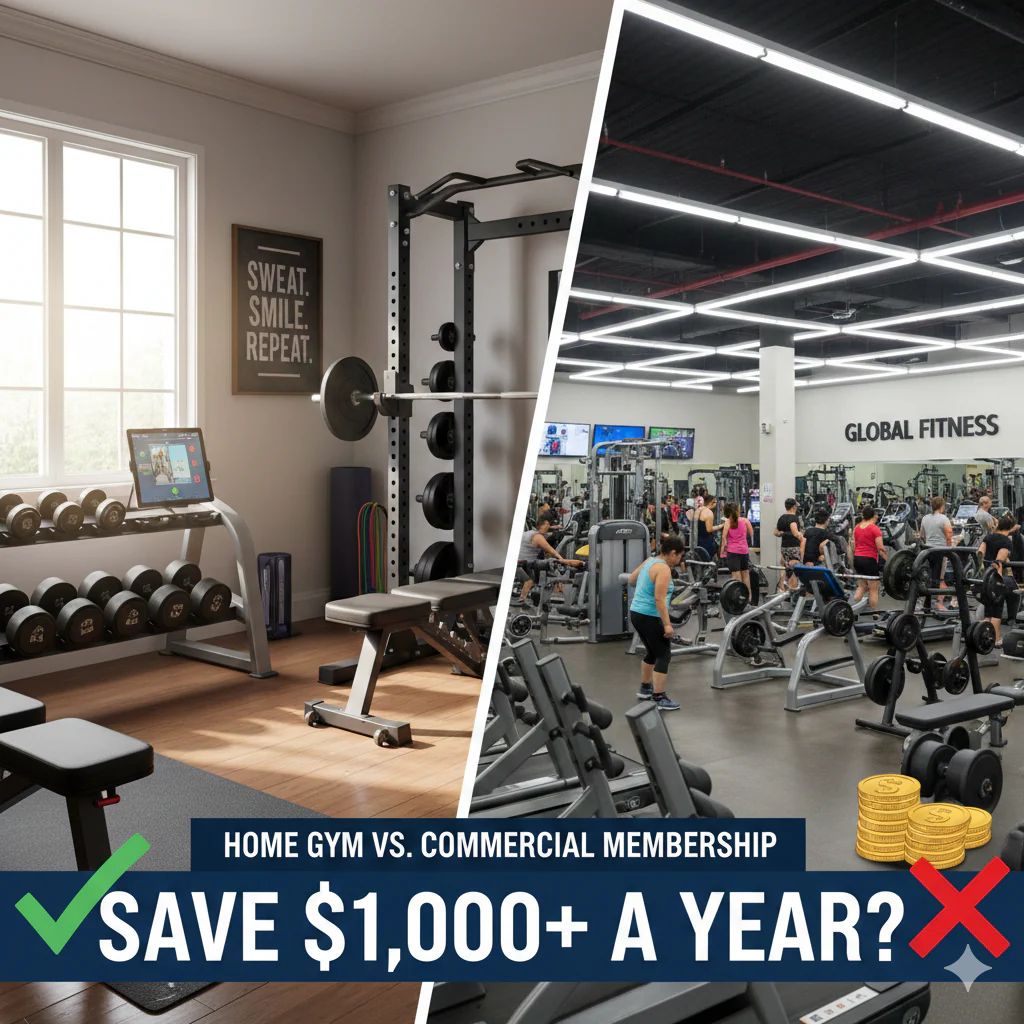
Know about Home Gym Vs. Commercial Membership: Is Saving $1,000+ a Year Possible?
What Defines High-Quality Used Gym Equipment
High-quality successfully moderate gym equipment should not only be judged by their looks or brand name. The real definitions are safety, durability, functionality, and long-term usability. Below is the table summarizing the main points which buyers and sellers need to check when they are deciding on buying or selling second-hand fitness equipment.
| Quality Factor | What to Look For | Why It Matters |
| Build Quality & Materials | Solid steel frames, heavy-duty cables, and reinforced joints | Strong construction ensures stability, safety, and longer equipment life |
| Overall Condition | Minimal rust, no structural cracks, smooth movement | Indicates proper use and reduces risk of mechanical failure |
| Brand Reputation | Trusted fitness brands known for commercial-grade equipment | Reputable brands maintain performance and resale value over time |
| Mechanical Functionality | Smooth pulleys, working resistance systems, quiet motors | Proper functionality improves workout experience and prevents injuries |
| Maintenance History | Evidence of regular servicing and cleaning | Well-maintained equipment lasts longer and performs reliably |
| Wear and Tear Level | Light cosmetic wear but intact components | Normal wear is acceptable, but critical parts must remain intact |
| Safety Features | Functional locks, guards, emergency stop buttons | Safety features are essential for both home and commercial use |
| Availability of Spare Parts | Easily available replacement parts | Makes repairs affordable and extends equipment usability |
| Usage Type | Designed for commercial or heavy use | Commercial-grade equipment handles repeated workouts better |
| Resale Potential | High demand and easy marketability | Helps buyers recover value if they resell later |
Why Quality Assessment Matters
By checking the quality of the used gym equipment, buyers can keep away from unexpected repair and safety issues. On the other hand, if resellers concentrate on the quality, they gain the trust of customers, have happy clients, and experience fewer cases of product returns. Also, from an environmental point of view, good-quality resale equipment is a kind of green practice as it prolongs the working life of fitness machines.
Best Places to Source Used Gym Equipment
Discovering sources for used gym equipment that can be trusted is highly important if you want to keep your equipment at a high level of quality, safe, and capable of holding value upon resale. Down here are some great and widely known venues to find pre-owned gym gear along with descriptions to help potential buyers have a clearer picture.
1. GYM CLOSURE AND RELOCATION
Gyms are frequently sell off entire batches of their equipment when they close, move, or get new machines. Such sources usually give commercial-grade equipment that has been used daily but through professionally maintained. Thus, this is one of the very dependable methods to get a sturdy used gym equipment at great prices.
2. Health Equipment Suppliers and Upgraders
Dealers who specialize are mainly focusing on buying, checking, renovating, and selling used gym equipment. Equipment coming from such suppliers is generally tested for functionality and safety. So this type of equipment is quite a low-risk and highly quality guarantee option for buyers.
3. E-commerce and Classifieds
Internet-based platforms give you the opportunity to see the various used gym equipment listings from sellers who might be individuals or businesses. On these platforms, shoppers can conveniently compare prices, brands, conditions, etc. Nevertheless, it is very advisable that you check the equipment’s state in person whenever that’s possible.
4. Offices and Corporate Wellness Center
Offices and corporate wellness centers usually replace their exercise machines from time to time. So the equipment that is coming from these places is less likely to have been through heavy use as commercial gym machines. Hence, they make excellent sources of almost new-conditioned equipment.
5. Personal Trainers and Fitness Studios
In case fitness studios and personal trainers change their workout format or move, then they might sell the fitness equipment they’ve been using. One main thing is that these pieces of equipment are carefully handpicked when it comes to durability and performance hence, suitable for reselling or personal usage purposes.
6. Auctions and Liquidations Sales
Buying from equipment auctions and liquidation sales may offer great deals, particularly if it’s a bulk purchase. Before placing your bid, make sure you inspect the items thoroughly as auctioned goods are generally sold as viewed and without any guarantee.
7. Trade-In Programs Offered by Manufacturers
Some fitness equipment manufacturers and suppliers may have trade-in programs available when a gym decides to buy new machines. The equipment that has been traded-in is usually fixed up and put back on the market which offers a good compromise between cheap and reliable.
Why Right Source Choice Is Important
Getting your used gym equipment from trustworthy suppliers will help you a lot in avoiding faulty or unsafe equipment. Moreover, it keeps the quality level consistent, enhances the resale value, and allows you to gain the buyers’ confidence over time. Just like checking the condition of the gear, it’s equally important to know its origin.
How to Inspect Used Gym Equipment Before Buying
Carefully inspecting second-hand gym equipment before buying is a smart move to keep your family’s safety in the gym, avoid spending money on sudden repairs, and get your money’s worth in performance. A thorough check can help confirm that your purchase is safe, working well, and a good investment.
1. Check the Overall Structure and Frame
First thing to do is to check the frame of the equipment for any cracks, warp, or signs of welding repairs. It should feel firm and quite tough. Any damage to the frame will not only be unsafe but also can wear out quickly.
2. Look for Rust, Corrosion, or Excessive Wear
It is normal for gym equipment to get scratched, yet only light rusting is acceptable. You should be on the lookout for rust or corrosion, especially around the working parts, as they are potential sources of enlargement of the problem coming from moisture or sweat exposure.
3. Test Moving Parts and Smooth Operation
Make sure to move the equipment for the intended exercise activity. Components like pulleys, cables, wheels, and joints should be well-lubricated and not give jerks when moving. The lack of sticking or unusual resistance is a good sign of equipment’s care.
4. Inspect Cables, Belts, and Resistance Systems
Look at the cables very closely to see whether they show small loose threads, and the belts crack, particularly if they have been getting stiff. For machines with selectorized weight, it is advisable to check the weights and pin system. Ignoring these parts may lead to sudden failures, which, in addition, will become safety hazards.
5. Evaluate Electrical Components on Cardio Machines
Try to turn on the treadmill, stationary bike or elliptical, and test each feature. All should include direction to the user, different levels of speed control, incline adjustment, and most importantly, functioning of the emergency stop buttons. The sound of the motor should be monitored as well.
6. Assess Padding, Upholstery, and Grips
The parts that one has to sit down, lean on, or hold during exercising must be in good shape and comfortable. If the fabric is ripped, the foam hardened, it will probably need changing, and therefore, increase the total cost. All such clean and well-kept items indicate that one has exercised responsibly.
7. Check Stability and Weight Balance
The equipment should be placed firmly on the floor and preventing wobbling. One cannot overstress the importance of stability, which is a critical factor for safe workouts of strength machines or free weights.
8. Ask About Maintenance and Usage History
The information you seek here would include the length of a time the equipment was used, the kind of place it belongs to, and whether or not it has been serviced on a regular basis. Extremely honest maintenance history usually implies better equipment quality.
9. Verify Availability of Spare Parts
Make sure you check and that parts can be easily gotten before signing the deal. To a large extent, this additional concern is a great one if it’s the branded gym machines. Well- stocked spare parts will allow the extending of the equipment’s useful life.
10. Consider Safety Features and User Protection
Pay attention to safety measures like locking mechanisms, covers, adjustment pins, and emergency stop buttons that are perhaps being used constantly as intended. If the features are not only in place but also in good condition, it means that the risk of injuries has been minimized, and the setup should be okay for both home and commercial gyms.
Why Proper Inspection Is Important
Doing a careful inspection is a step to safeguarding buyers against buying a piece of equipment that is unsafe or of a very low quality. Additionally, it facilitates the responsible reuse of fitness equipment, thus users not only get their money’s worth but also help in extending the equipment’s lifecycle.
Signs of Poor-Quality or Overused Gym Equipment
It would not be advisable to buy all used gym equipment. At first sight, some gym machines may appear to be working well but, in fact, they have hidden problems that will affect their safety, resistance, and users’ performance capacity. Knowing what poor quality signs or excessively used equipment indications look like before you make a purchase will help you save time, money, and you will be less likely to get injured. Here are the most usual warning signs that you need to keep in mind.
| Warning Sign | What to Look For | Why It Matters |
| Rust and Corrosion | Visible rust on frames, bolts, or moving parts | Weakens structure, reduces lifespan, and can compromise safety |
| Frayed Cables or Belts | Torn, worn, or fraying cables | High risk of snapping, which can cause injury or machine malfunction |
| Unstable or Wobbly Frame | Equipment shakes or tilts during use | Indicates structural weakness or improper assembly, leading to unsafe workouts |
| Excessive Wear on Pads or Grips | Torn upholstery, hardened foam, or worn handles | Affects comfort and performance; replacement adds extra cost |
| Strange Noises | Grinding, squeaking, or rattling during movement | Suggests poor maintenance, misalignment, or damaged internal components |
| Broken or Missing Parts | Missing bolts, pins, or adjustment knobs | Reduces functionality and may render the machine unsafe |
| Electrical Malfunctions (for Cardio Machines) | Display errors, malfunctioning buttons, or inconsistent power | Limits usability and may require expensive repairs |
| Uneven or Slanted Equipment | Legs or base not level on the floor | Compromises stability and increases risk of accidents |
| Lack of Maintenance Records | No service history or unknown usage | Hard to gauge lifespan and reliability; higher risk of hidden issues |
| Excessive Wear from Heavy Use | Worn pulleys, stretched cables, or loose joints | Indicates overuse, which can reduce machine durability |
Key Takeaway
Knowing how to spot bad or worn-out gym machines is essential for customers who wish to get their hands on safe, durable, and properly functional pieces of workout equipment. If you heed these red flags, you will be making a smart purchase and steering clear of expensive fixes or buying new units.
How to Price Used Gym Equipment for Resale
Setting the right price for your used gym equipment is crucial to not only attracting buyers but also getting a good return on your investment. If you price the equipment too high, it might put off potential buyers, however, if you price it too low, you might lose out on some profit. Here’s the efficient way of doing it:
1. Consider Original Purchase Price
The first thing to do is to document the price at which the equipment was purchased. Generally, used equipment is sold at 30 – 70% of the retail price depending on its state, age, and brand. This helps in establishing a realistic price for the sale.
2. Evaluate Equipment Condition
Machines that are frequently serviced and have little signs of usage can be sold at a premium. On the other hand, equipment which is heavily used, has some wear and tear or even a few technical issues, should be reflected in a lower selling price.
3. Factor in Brand and Model Reputation
Established and popular brands such as Precor, Life Fitness, or Rogue generally hold their value more than unknown brands. Models in high demand can also fetch a higher price since buyers are ready to pay for the superiority of the product.
4. Check Market Trends and Local Demand
Investigate the demand in your area for different kinds of equipment. Machines for cardiovascular exercises such as treadmills or stationary bikes are usually sold quicker than strength equipment that is not very common. Fitness crazes around the New Year, for instance, can affect the price too.
5. Include Maintenance or Refurbishment Costs
Please make sure to factor in any costs that you may have incurred in cleaning, repairing, or replacing parts when you set the price. Most of the time buyers are willing to pay a little extra for equipment that doesn’t require any additional expenses to make it usable.
6. Compare Prices Online and Offline
Look at what similar equipment is being sold for on online marketplaces, in local newspapers, and at gym resell stores. By benchmarking, you will be sure that your price is both competitive and fair.
7. Offer Flexible Pricing Options
You might want to think about giving a discount when several items are bought together or offering a minor price reduction when the purchase is made immediately. This can bring more buyers and also is a way of speeding up sale without drastically lowering the value of individual items.
Cleaning, Repairing, and Refurbishing Equipment for Resale
| Step | Checklist Item | What to Do | Why It’s Important |
| 1 | Initial Visual Inspection | Check for cracks, rust, missing parts, or visible damage | Identifies major issues before investing time or money |
| 2 | Deep Cleaning & Sanitization | Clean frames, pads, grips, and control panels with non-abrasive cleaners | Improves hygiene, appearance, and buyer confidence |
| 3 | Fastener & Frame Check | Tighten bolts, screws, and joints; check frame alignment | Ensures stability and user safety |
| 4 | Cable & Belt Inspection | Inspect for fraying, stretching, or stiffness; replace if needed | Prevents sudden failures and accidents |
| 5 | Pulley & Joint Testing | Ensure smooth movement with no grinding or resistance | Confirms proper mechanical function |
| 6 | Lubrication | Lubricate guide rods, bearings, and moving parts | Reduces friction, noise, and wear |
| 7 | Padding & Upholstery Review | Repair or replace torn pads, seats, or grips | Enhances comfort and resale appeal |
| 8 | Electrical Function Test (Cardio) | Test display, speed, incline, and emergency stop | Confirms usability and safety |
| 9 | Cosmetic Touch-Ups | Minor paint touch-ups or decal replacement | Improves appearance without hiding defects |
| 10 | Stability & Load Test | Check balance and test under normal workout load | Ensures readiness for safe use |
| 11 | Final Quality Check | Confirm all functions work as intended | Reduces buyer complaints and returns |
| 12 | Documentation & Photos | Record condition and take clear images | Builds transparency and trust |
Legal and Safety Considerations When Reselling Gym Equipment
Reselling gym equipment is not just about setting the right price and making it look good. It is also very important to comply with the law and ensure user safety, both of which will protect the seller as well as the buyer.
One way or another, a proper understanding of the issues concerned helps to establish trust, minimize liability, and ensure resale in line with social responsibility.
1. Guarantee That The Equipment Is Safe To Use
It is always good to check that your gym equipment has no structural issues and is working properly before you put it up for sale. If the equipment is dangerous to the user, then it should be discarded and not resold. Being safe and comforting one’s conscience by complying with the law and thus avoiding any business malpractice is the best way to go.
2. Get Buyer Confidence by Being Totally Honest About the Equipment’s Condition
Be completely honest about the equipment condition, revealing at the same time any changes or damages, for instance, parts that have been replaced. Such honesty greatly facilitates the buyer whose decision is then based on accurate information and also saves the seller from any eventual disputes or complaints.
3. Do Not Sell Recalled or Prohibited Equipment
Investigate whether the type of equipment you own has been recalled or banned due to safety issues. Re-selling a product that has been recalled not only makes the seller exposed to legal risks but also puts the user’s safety at risk.
4. Abide by Local Regulations on Business and Taxes
Based on where you live, you might have to register your business, report your taxes or comply with issuing invoices, among other things. Adhering to such rules guarantees that you are operating legally and thus creating a positive business image for a long-lasting business relationship.
5. Include Usage and Safety Instructions
If you have the manufacturer’s user guide, share it along with the equipment. A good set of directions plays a big part in ensuring that the equipment is used correctly and also helps to prevent accidents caused by misuse.
6. Make “As-Is” Terms Legally Binding in Writing
If the equipment is sold as it is, it should be stated explicitly in the contract that the buyer agrees with the “as-is” terms. Doing so manages to clear up any misunderstanding by the buyer and at the same time shields the seller against any future liability, assuming there hasn’t been any misrepresentation.
7. Check That Electrical and Regulatory Requirements Are Met
With cardio equipment or other machines that have an electronic circuit, it is a good idea to check that the use of the machine is safe in terms of local standards, i.e., the wiring, plugs, and power supply. In case there are defects in the electrical parts, then there is not only a risk of harm but also one of legal trouble.
8. Have Your Sales and Refurbishing Documents at Hand
It is advisable to keep track of how the equipment was refurbished, tested and the sales transaction was done. Such documentation is proof of one’s honesty and might be of use if the need for clarifications after the sale arises.
Storage and Transportation Best Practices
Proper storage and transportation are essential for maintaining the condition and safety of used gym equipment. In general, following best practices not only prevents damages but also lowers repair bills and in the end, equipment stays in a condition fit for resale or use.
1. Clean Equipment Before Storage
It is a good habit to clean and dry the equipment completely before storing it. Sweat, dust, and moisture are removed so the equipment won’t rust, get corroded or the materials won’t discolor over time.
2. Store Equipment in a Dry, Ventilated Area
Make sure your storage space is dry, airy, and well protected from extreme temperatures. Excess humidity can cause rust on metal parts and electrical faults, especially in cardio machines.
3. Use Protective Covers and Padding
Equipment covers a breathable covers or protective sheets will keep the pieces clean and shield against dust and scratches. The use of padding to parts that are sensitive to be damaged like displays, handles, and upholstery also reduces the risk of cosmetic damage.
4. Disassemble When Necessary
It is advisable to disassemble the removable parts of the large or complex machines before storage or transport. To avoid misplacing the bolts and screws, the labeled components should be kept that way along with the fasteners, so that reassembly is a breeze.
5. Secure Equipment During Transportation
Make sure that the equipment is very firm while in transport so that it will not move around or get toppled over. The use of straps, braces, or padding to absorb the impact is advisable to protect equipment like the frames and the moving parts that could be damaged due to collision.
6. Protect Electrical Components
Unplug power cords and wrap them securely apart. Do not bend cables hard, and keep control panels and displays from getting soaked or pressurized.
7. Handle Heavy Equipment Safely
Bring the heavy machines down safely by using the right technique or mechanical aids such as trolleys and dollies. That way you are significantly lowering the chance of getting hurt, and at the same time, avoiding that pressure drop or frame damage can cause.
8. Avoid Stacking or Overloading
Only stack heavy equipment when the items are designed and able to withstand the load. Overloading may cause a bend in the frame, damage the electronics, or change the alignment.
9. Inspect After Transportation
As soon as the equipments are delivered to your place, get a quick check done to make sure any parts don’t get lose or broken during the ride. Fixing small issues straight away is one of the ways to keep standards high.
Common Mistakes to Avoid When Reselling Used Gym Equipment
Buying and selling used gym equipment can be a great way to make some money, but it is quite easy to make mistakes that lead to losses, unsatisfied customers, and even safety risks. Being aware of these errors will allow resellers to operate more responsibly and gain the trust of their customers over time.
1. Lack of Market Research Before Price Setting
Telling people your things cost much when you do not know if people want them or what competitors are charging is a great way to make people run away. If you want to know what a good price is for your stuff, then you should look at what others are selling for and what people in your area are buying.
2. Overlooking Equipment’s Bad Condition
You can expect a lot of troubles if you keep selling things that are broken, have parts that are worn out, or are simply unsafe. One of the things you have to do is to carefully check each piece of equipment and make fixes to it if you want to sell it.
3. Concealing Defects and Using the Equipment Without Telling
Even if you think it is quite normal for a machine or a piece of equipment to get a bit ugly after quite some time, you better show a picture of it and tell your buyers what to expect when they get there. The sooner you go through the condition of the product together, the more often your clients will give you positive reviews.
4. Not Paying Attention to Cleaning and Refurbishing
When you see a gym machine that has not been cleaned or taken care of for a while, you may be shocked at how such a thing can still be of any use. If you want people to love what you have to offer, then a little bit of work with the brush or the paint will definitely go a long way.
5. Disregarding Safety and Compliance
What everybody hopes is that things do not go way too bad when they least expect them. After all, if you have a broken sole on your shoe and you keep on ignoring it, it will only get worse and you may fall and hurt yourself in the process. Thus, safety should be the number one priority return sale or quick sale.
6. Poor Storage and Transportation Practices
If it was properly stored and transported carelessly, the equipment could get damaged, meaning going to the seller. This is an uncomfortable situation since the only solution would be the seller to pay for the damages and the buyer to pay for a new unit to be delivered, or the buyer to accept a sixteen the million quality.
7. Using Low-Quality Replacement Parts
Buying low-quality or incompatible hardware may even cause the machine to malfunction and thus, the use of most suitable spare parts already in stock helps continually maintain the performance and dependability of a machine.
8. Failing to Provide Basic Documentation
Some buyers just want to know how to use the equipment properly without having to ask the sellers questions all the time. Giving out instruction manuals along with the purchase can easily solve this problem, thus even providing simple documents will improve communication and the professional image of your business.
9. Overlooking After-Sale Communication
Ignoring buyer questions or concerns after the sale can harm your business and reputation. Clear communication supports the development of trust and the likelihood of the buyers coming to you again or recommending you to their friends is increased.
Why Is It Important to Avoid These Mistakes?
One of the outcomes of not making mistakes as a reseller is getting more people trusting and buying from you without any hesitation. Also, people who are left in doubt tend to not be safe when they are using gym equipment, and if resellers business is close to such people, they will be unsafe too.
Final Tips for Building a Profitable Used Gym Equipment Resale Business
Launching a lucrative used gym equipment reselling venture is no walk in the park; it demands thorough work, regularity, and customer centricity. Below mentioned are some helpful hints that a reseller can use to achieve a steady growth without losing buyer’s trust and long-term credibility.
1. Quality Comes First
It is better to resource a limited number of machines of high quality than to have large amount of the low-value pieces. High-quality products bring quicker sales, win serious buyers, and minimise the post-sale problems.
2. Establish Trust Through Honesty
Make a habit of informing your customers a hundred percent about the situations of the equipments, their histories and the renovation work that has been done. Being direct with your customers can do wonders for your reputation and also helps you build a clientele that will keep coming back and that will even refer you to others.
3. Constantly Research Market Trends
Keep an eye on the variations in demand, the types of equipments that are most popular, and the habits of buyers at different times of the year. Knowing what’s going on in the market will help you price your products competitively and fill your shelves with items that will sell in no time.
4. Commit to Thorough Inspection and Refurbishment
Investing in thorough inspections and even some minor refurbishments can significantly improve the safety, working condition, and resale price of the equipment. You will be not only rewarded with higher prices but also have lesser buyer complaints when you spend money for this kind of work.
5. Keep Your Records and Paperwork Clear
Maintain a note of everything from the purchase, repair, pricing, to sales for your records. Keeping track of these will make your operation much easier and be quite helpful if you ever face a legal or customer-related question.
6. Price Fairly and Consistently
Look at factors like equipment condition, the value of the brand, and demand in the market to come up with prices that fit the products. Fair pricing enhances buyer confidence and facilitates higher frequency of sales.
7. Store and Transport with Care
If you use the right kind of storage and transport the equipments to the buyer’s place really carefully, then you will not only be protecting the equipments from any damage but also keeping their value intact. When you do these things like a pro, you are basically demonstrating your reliability and care to your customers.
8. Make Safety and Compliance your Priority
Safety standards and the law are something that you should never, ever, compromise even if it comes at the cost of making a sale or gaining a client. Good reputation doesn’t come by luck or chance; it accounts to a multiplicity of factors and each factor is interdependent. The three that are mentioned here are ethics, quality control and strengthening relationships. Consistent demand and steady profitability will be the results of long-term trust.
9. Upgrade Customer Interaction
Promptly reply to their questions and offer them useful information not only before the sale but also after it.
10. Consider Long-Term Strategy
Remember that ethics, quality control and good relationships are among the factors which contribute to business reputation. Trust established over a long period will result in steady demand and profitability.
FAQs
1. Is reselling used gym equipment a profitable business?
If reselling is done right, used gym equipment can definitely be a good source of profit. Factors that influence the profit mainly include getting quality equipment at a good price, doing the repurposing well, and setting the price according to what the market can bear. Equipment that are of commercial standard and in-demand pieces often give better margins as they have a steady demand and longer durability.
2. What type of gym equipment retains value the most?
Typically, gym equipment that holds the highest resale value are:
- High-end commercial treadmills and stationary bikes
- Power racks, squat racks, and benches
- Dumbbells, barbells, and weight plates
- Reputable brand selectorized strength machines
These pieces keep their worth due to their durability, being heavily used, and the constant demand from both home gyms and commercial fitness centers.
3. What are the proper steps to check out gym equipment that is second hand?
First and foremost, when checking out the gym equipment that is second hand start with a visual inspection of the frame, cables, and any components that are in motion for signs of wear and tear. Then try the equipment but only with low resistance or speed and check for any irregular noise and if the movement is smooth. When it comes to cardio machines you should definitely check all the functions of the electronics and the emergency stop feature as well. Also don’t forget to confirm that the equipment is stable and properly placed on a flat surface before using it to the fullest.